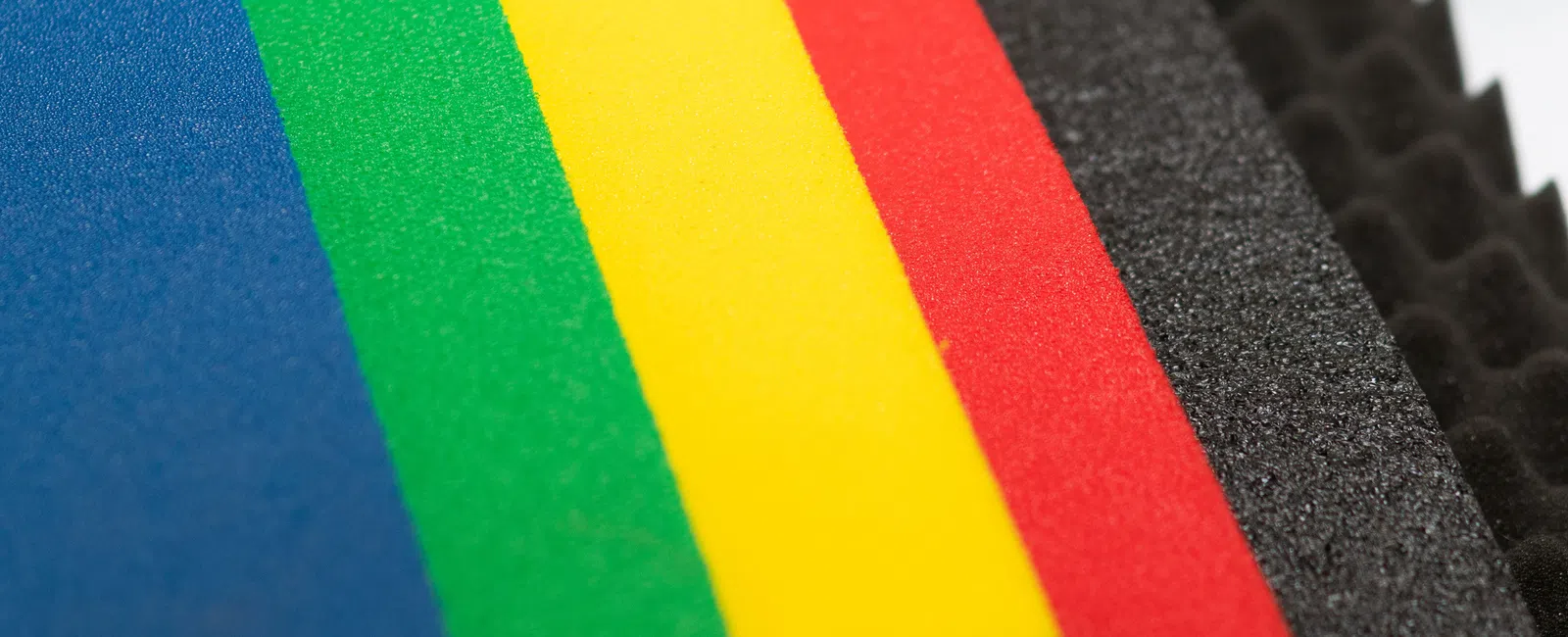
When shipping products, the goal is simple: ensure items arrive in the same condition they left your facility. While paper, cardboard inserts, and loose-fill materials may seem like cost-effective solutions, they often fall short when products require serious protection. That's why many manufacturers turn to foam packaging.
Materials like Polyethylene (PE) Foam and Polyurethane (PU) Foam offer superior cushioning, impact protection, and customization compared to traditional packaging fillers. Whether you're shipping electronics, industrial components, medical devices, or consumer products, foam packaging can provide a level of protection that paper-based solutions simply can't match.
Better Protection Against Impacts
Packages encounter numerous hazards throughout the shipping process, including drops, vibrations, and rough handling. While paper fillers can help reduce movement inside a box, they provide limited protection against significant impacts.
PE and PU foam are specifically designed to absorb and distribute shock energy before it reaches the product. This helps reduce the risk of scratches, dents, cracks, and other shipping damage.
For fragile or high-value products, this added protection can make a significant difference in reducing returns and replacement costs.
Foam Holds Products Securely in Place
One of the biggest challenges with paper fillers and loose packing materials is product movement. As packages travel through shipping networks, products can shift inside the box, increasing the chance of damage.
Custom foam inserts are designed to fit the exact shape of a product, keeping it securely positioned throughout transit. This not only improves protection but also creates a cleaner, more professional presentation when the package is opened.
Polyethylene (PE) Foam: Durable and Impact Resistant
Polyethylene foam is a closed-cell material known for its durability and excellent shock absorption. It is commonly used for:
- Industrial equipment
- Automotive components
- Electronics
- Medical devices
- Heavy or delicate products
PE foam maintains its shape over time and offers excellent resistance to moisture, making it an ideal choice for demanding packaging applications.
Polyurethane (PU) Foam: Soft and Protective
Polyurethane foam is an open-cell material that provides soft, cushioning support for products that require gentle protection.
PU foam is frequently used for:
- Sensitive electronics
- Presentation packaging
- Instruments
- Consumer products
- Lightweight components
Its ability to absorb vibration and conform to product shapes makes it a popular option for products that need protection from repeated movement during shipping.
Reduced Product Damage Means Lower Costs
While paper fillers may have a lower upfront cost, packaging failures can quickly become expensive. Damaged products lead to:
- Replacement costs
- Return shipping expenses
- Customer dissatisfaction
- Lost business opportunities
Investing in properly designed foam packaging often reduces overall costs by minimizing product damage and improving customer satisfaction.
Professional Appearance Matters
Packaging is often the first physical interaction customers have with your brand. Custom foam inserts create a clean, organized presentation that instantly communicates quality and attention to detail.
Unlike crumpled paper or loose-fill materials, foam packaging provides a professional appearance while ensuring products remain protected.
The Bottom Line
While paper and other void-fill materials may work for some applications, foam packaging delivers a higher level of protection, consistency, and customization. Both Polyethylene (PE) Foam and Polyurethane (PU) Foam provide reliable solutions for protecting products during shipping, handling, and storage.
When product protection matters, foam packaging remains one of the most effective and dependable options available.